


Comparison Between Multigrip and Unigrip Blind Rivets Performance
Choosing the right blind rivet is essential for achieving strong, reliable, and cost-effective fastening. Among the many types of blind rivets available, Multigrip Blind Rivets and Unigrip Blind Rivets are two popular solutions used in sheet metal fabrication, transportation equipment, electrical enclosures, HVAC systems, and industrial manufacturing.
Although both are designed for one-side installation, their structural characteristics and performance differ significantly. Understanding these differences enables engineers and manufacturers to select the most suitable rivet for specific assembly requirements.
What Are Multigrip and Unigrip Blind Rivets?
Unigrip Blind Rivets are designed for a specific grip range. They create a standard blind-side expansion during installation, making them suitable for applications where the total material thickness is well controlled.
Multigrip Blind Rivets are designed with an extended grip range and a larger blind-side expansion. This allows a single rivet size to accommodate multiple material thicknesses while distributing the clamping force more evenly.
Because of their versatility, Multigrip Blind Rivets help reduce inventory while simplifying production.
1. Grip Range Performance
The biggest difference between these two rivet types is the grip range.
Unigrip Blind Rivets
Unigrip Blind Rivets are manufactured for a relatively narrow grip range.
Advantages include:
- Precise installation
- Stable fastening quality
- Suitable for consistent material thickness
- Cost-effective for standardized production
They perform best when the combined thickness of the materials remains within a fixed specification.
Multigrip Blind Rivets
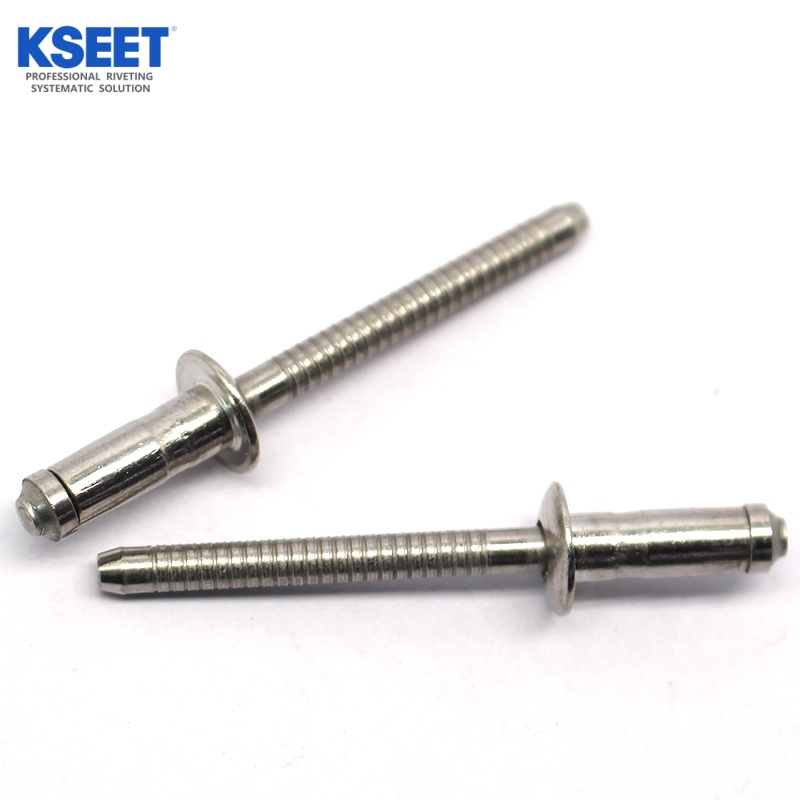
Multigrip Blind Rivets feature a much wider grip range, allowing one rivet size to fasten multiple material thicknesses.
Benefits include:
- Greater installation flexibility
- Fewer rivet sizes required
- Reduced inventory costs
- Simplified purchasing and production management
This makes them particularly suitable for manufacturers handling products with varying panel thicknesses.
2. Load Distribution
Blind-side expansion directly influences how installation force is distributed.
Unigrip Blind Rivets create a standard expansion suitable for general sheet metal fastening.
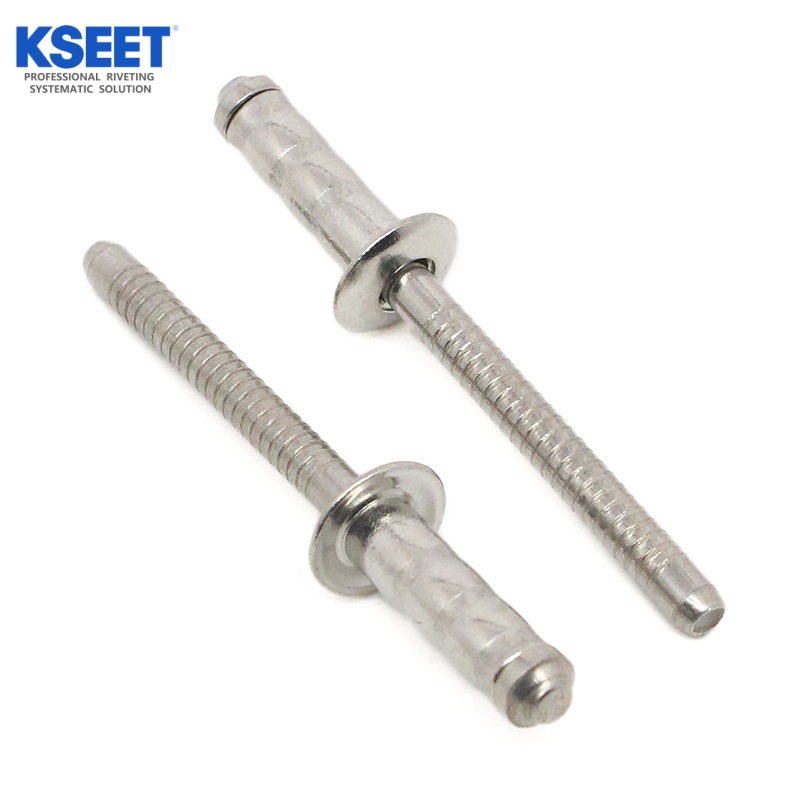
Multigrip Blind Rivets create a larger bearing area behind the material, providing:
- Better load distribution
- Lower surface pressure
- Reduced material deformation
- Improved fastening stability
This larger contact area is especially beneficial when working with softer materials.
3. Performance in Soft Materials
Soft materials require fastening systems that minimize localized stress.
Multigrip Blind Rivets perform exceptionally well in:
- Plastic
- Fiberglass
- Composite panels
- Thin aluminum
- Insulation materials
The expanded blind-side profile helps prevent:
- Material cracking
- Pull-through
- Surface deformation
Unigrip Blind Rivets are generally recommended for harder metal materials where localized clamping force is less likely to cause damage.
4. Pull-Out Resistance
Because Multigrip Blind Rivets create a larger blind-side bearing surface, they typically provide:
- Higher pull-out resistance
- Improved holding strength
- Better joint stability
These advantages become particularly valuable in lightweight assemblies where material strength is limited.
Unigrip Blind Rivets offer reliable pull-out performance for standard industrial applications with controlled material thickness.
5. Installation Efficiency
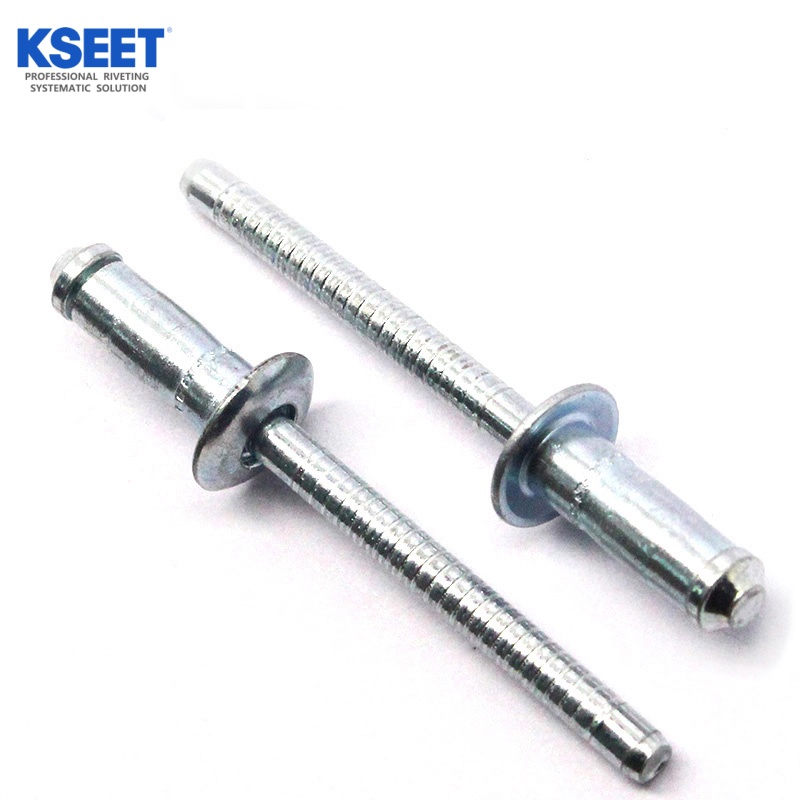
Both rivet types provide the traditional advantages of blind riveting.
They allow:
- One-side installation
- Fast production
- No welding required
- Consistent assembly quality
- Compatibility with pneumatic and electric riveting tools
However, because Multigrip Blind Rivets cover a wider grip range, manufacturers often reduce the number of rivet sizes required in production, improving operational efficiency.
6. Typical Industrial Applications
Unigrip Blind Rivets
Common applications include:
- Electrical cabinets
- Metal furniture
- HVAC equipment
- Home appliances
- Sheet metal fabrication
- General industrial products
Multigrip Blind Rivets
Widely used in:
- Automotive interior panels
- Transportation equipment
- Plastic assemblies
- Composite structures
- Refrigeration equipment
- Caravan manufacturing
- Industrial equipment with varying material thicknesses
Performance Comparison
| Feature | Multigrip Blind Rivets | Unigrip Blind Rivets |
|---|---|---|
| Grip Range | Wide | Standard |
| Blind-Side Expansion | Large | Standard |
| Load Distribution | Excellent | Good |
| Soft Material Performance | Excellent | Good |
| Pull-Out Resistance | Higher | Standard |
| Inventory Management | Excellent | Standard |
| Installation Speed | Fast | Fast |
| Best Application | Variable Material Thickness | Fixed Material Thickness |
Which Blind Rivet Should You Choose?
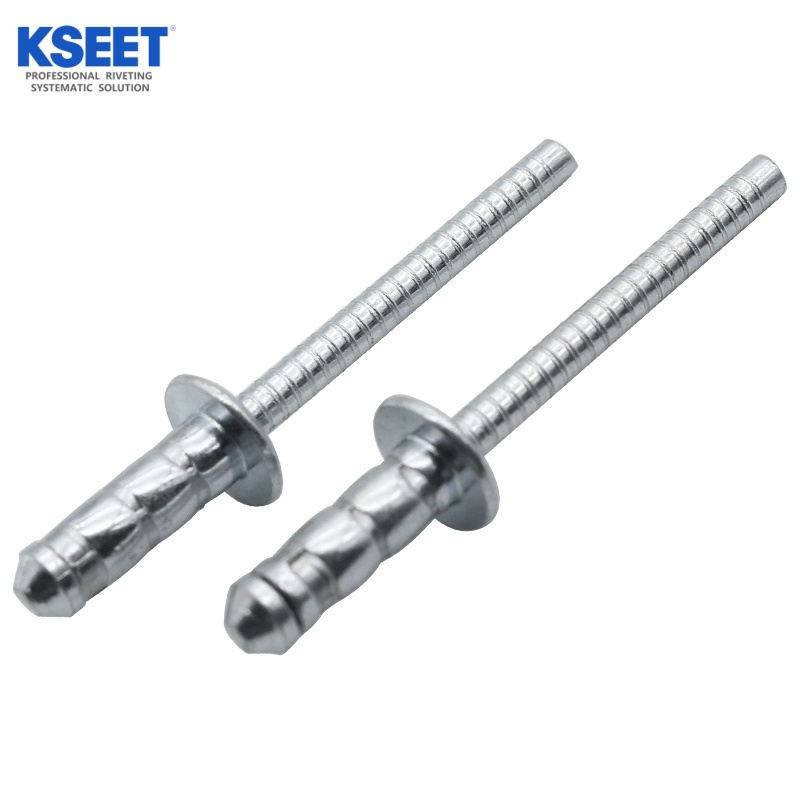
The selection depends on several engineering considerations, including:
- Material thickness variation
- Base material properties
- Joint strength requirements
- Production efficiency
- Inventory management
For applications with consistent material thickness, Unigrip Blind Rivets provide a reliable and economical fastening solution.
For production environments involving multiple material thicknesses or softer materials, Multigrip Blind Rivets offer greater flexibility, stronger load distribution, and improved assembly efficiency.
Conclusion (Engineering Perspective)
From an engineering perspective, both Multigrip Blind Rivets and Unigrip Blind Rivets provide dependable fastening performance, but they are optimized for different manufacturing requirements.
Unigrip Blind Rivets deliver excellent performance in standardized assemblies with fixed grip ranges, while Multigrip Blind Rivets offer greater versatility through their wider grip range, improved load distribution, and enhanced pull-out resistance. Selecting the appropriate rivet not only improves fastening reliability but also enhances production efficiency and reduces overall manufacturing costs.
At SZENT, we supply a complete range of Multigrip Blind Rivets, Unigrip Blind Rivets, Structural Blind Rivets, and professional riveting tools. Our fastening solutions are engineered to meet the demanding requirements of global manufacturers across automotive, sheet metal fabrication, electronics, HVAC, and industrial equipment industries.
📩 CTA (Call to Action)
Request Sample / Contact Us
Need help selecting the right blind rivet for your application?
👉 SZENT provides:
- Double Drum Blind Rivets
- Single Drum Blind Rivets
- Structural Blind Rivets
- Custom Fastening Solutions
- Professional Technical Support
- OEM & ODM Manufacturing
Contact our team today to request free samples, product specifications, or expert application advice.
📧 Email: sales@szenttools.com
🌐 Website: www.szenttools.com